Schools
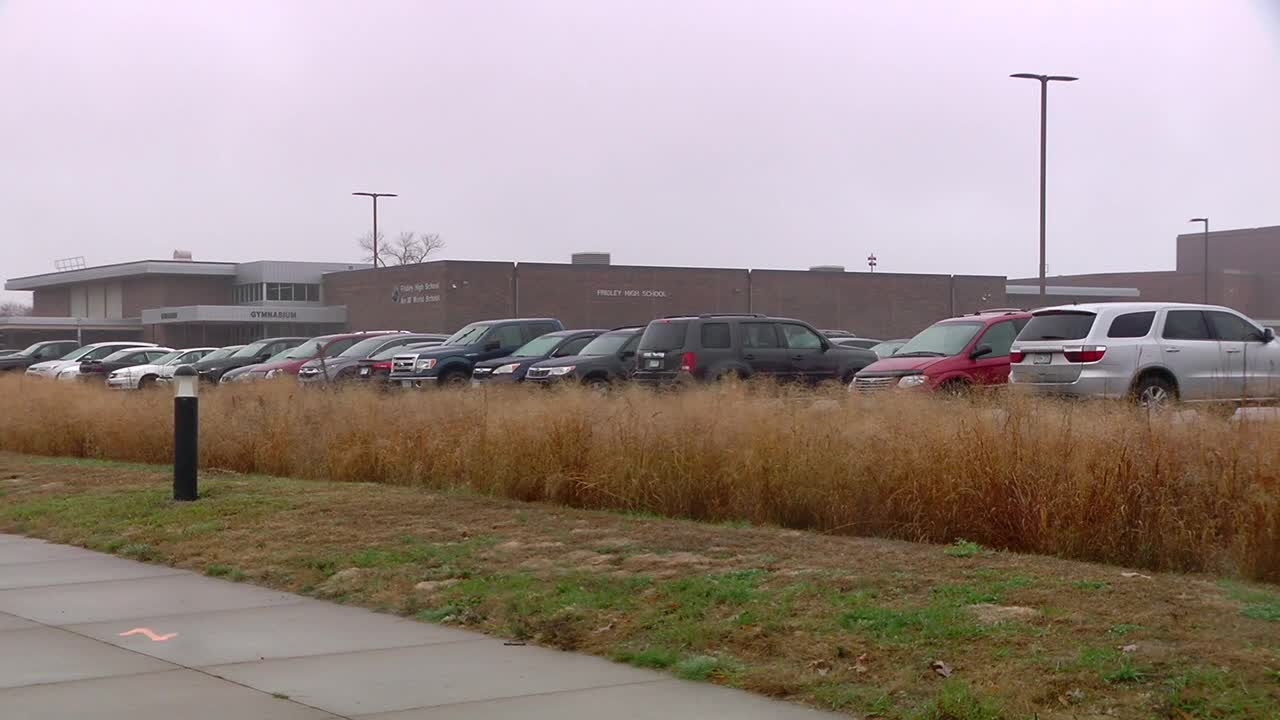
Minnesota law ‘blind spots’ prevent charges in school sexual misconduct case, Anoka County Attorney says
By Katherine Langford
Advertisement · Why this ad?
Katherine oversees editorial operations across all six brands. Before joining The Meridan Group, she spent 14 years at the Minneapolis Star Tribune, where she led the metro desk through its digital transformation. She holds a Master's in Journalism from Northwestern's Medill School.
More from Katherine →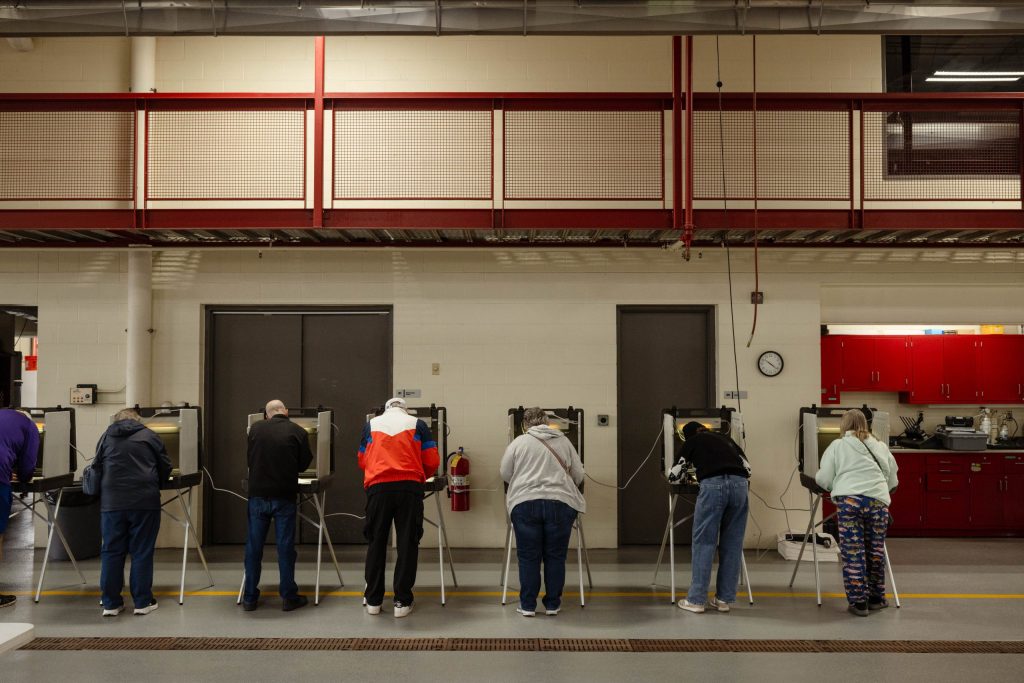
On a crisp mid-November evening in Edina, a diverse crowd gathers at the local community center, eager to cast their ballots in a record-breaking election. Their collective commitment underscores a fundamental truth about Minnesota: its residents are civically engaged, embodying a tradition of participation that transcends mere habit. This high voter turnout is not incidental but rooted in the state’s longstanding civic culture, reinforced by institutional support and demographic advantages. As the nation watches, Minnesota’s example offers a compelling case study in how community values, policy, and education converge to foster a vibrant democratic process.
According to preliminary figures from the University of Florida’s Election Lab, nearly two out of three Minnesotans cast ballots in this recent midterm election—a turnout rate that set a statewide record. With approximately 2.87 million ballots submitted, Minnesota ranked second nationally, trailing only Maine in voter participation. These numbers reflect a significant increase from previous midterms, signaling a robust civic engagement that many attribute to the state’s unique political culture and proactive policies.
This surge in participation is particularly notable given nationwide trends of declining voter turnout. Across the country, many states have faced challenges in motivating voters, often due to complex registration processes, restrictive voting laws, or apathy. Minnesota’s success underscores the effectiveness of its voting laws and community-driven initiatives. The state’s approach demonstrates that when voting is accessible and ingrained in civic life, residents respond with enthusiasm and responsibility. The record-breaking figures serve as a testament to the enduring strength of Minnesota’s democratic spirit, which is evident across urban and rural communities alike.
Experts like Larry Jacobs, a politics professor at the University of Minnesota, emphasize that Minnesota’s high turnout is “not an accident.” Instead, it is a product of the state’s deeply rooted civic institutions and cultural norms. Schools, universities, and employers actively promote voter participation, fostering a culture where civic duty is seen as integral to community life.
For decades, Minnesota has prioritized civic education, with many schools integrating lessons on voting rights and civic responsibility into their curricula. The state’s education system emphasizes the importance of civic engagement from a young age, often through partnerships with local organizations and community groups. These initiatives help cultivate a sense of responsibility that carries into adulthood, encouraging lifelong participation in elections.
Employers in Minnesota also play a significant role. Many local companies and government agencies provide employees with time off or flexible hours on Election Day, making it easier for workers to vote without sacrificing income or productivity. This supportive workplace culture reflects the broader societal value placed on civic participation. Additionally, the Minnesota Secretary of State’s office runs extensive outreach campaigns, including multilingual resources and community events, to ensure all residents understand their voting rights and procedures.
One of Minnesota’s most effective policies is its allowance for same-day voter registration. According to David Schultz, a political science professor at Hamline University, approximately 15% of voters take advantage of this option, registering on the day they vote. This policy significantly reduces barriers to participation, especially for young or transient voters who may not have registered beforehand.
In addition, Minnesota’s flexible ID requirements make voting accessible for a broad demographic. Voters can register using various forms of identification, including driver’s licenses, state IDs, or even utility bills. Such measures contrast with states that impose stricter registration and ID laws, which often suppress turnout. By streamlining registration and reducing administrative hurdles, Minnesota ensures that civic participation remains a straightforward process for all eligible residents.
These policies are particularly impactful in Minnesota’s diverse communities, where language barriers or socioeconomic factors might otherwise hinder participation. The state’s commitment to inclusivity and accessibility helps maintain high levels of engagement across different demographic groups.
Beyond policies, demographic factors play a crucial role in Minnesota’s high turnout. Data from the state Department of Employment and Economic Development indicates that Minnesotans are among the most educated and affluent in the nation. In 2024, the state ranked 6th nationally for residents with at least a high school diploma and 12th for those holding a bachelor’s degree or higher.
The median household income in Minnesota stands at $89,062, well above the national average, which is approximately $70,000. These socioeconomic advantages correlate strongly with voting participation, as higher education and income levels often foster greater civic awareness and engagement. Furthermore, older residents tend to vote at higher rates, and Minnesota’s demographic profile skews toward this group, further bolstering turnout figures. These factors combine to create a community where voting is seen as both a right and a responsibility, rooted in a shared sense of civic duty and faith in the democratic process.
Moreover, Minnesota’s diverse population, including significant communities of Hmong, Somali, and Latino residents, actively participate in elections, thanks in part to targeted outreach and multilingual voting resources. These efforts help ensure that all voices are heard, reinforcing the state’s reputation for inclusive civic engagement.
For many Minnesotans, voting is more than a civic duty; it’s a community tradition. Jane Peterson, a lifelong resident of Edina, recalls her first election as a teenager when her parents took her to the polling station. “It’s always been a family event,” she says. “Voting is part of who we are as Minnesotans.”
Similarly, community leaders emphasize the importance of local involvement. Pastor Samuel Johnson of Edina’s First Baptist Church notes that his congregation views voting as a moral obligation. “When we participate in elections, we’re helping shape the future of our neighborhoods and our children,” he explains.
These personal stories highlight how civic participation is woven into the fabric of daily life here, fostering a sense of collective responsibility that motivates residents to engage in every election cycle.
As Minnesota celebrates its historic voter turnout, the question remains: how can this momentum be maintained? Experts suggest that continued investment in civic education, accessible voting policies, and community outreach are essential. The state’s example demonstrates that when civic participation is woven into the fabric of daily life, it becomes a natural extension of community service and faithfulness to democratic ideals.
Community organizations, faith groups, and local governments are encouraged to build on this foundation by fostering environments where voting is seen as a shared value. Initiatives like youth voter registration drives, senior outreach programs, and multilingual voter assistance can further deepen engagement across all age groups and backgrounds.
Moreover, Minnesota’s political leaders are considering reforms to keep the momentum going, including expanding early voting options and increasing funding for civic education programs. The state’s experience underscores that sustained engagement requires ongoing effort, resources, and a collective commitment to democracy.
In the coming years, Minnesota’s example could inspire other states to re-evaluate their voting laws and community engagement strategies. As the nation grapples with challenges to voting access, Minnesota’s success offers a hopeful blueprint for fostering a vibrant, inclusive democracy rooted in community values and proactive policy.
By Katherine Langford
By Marcus Chen

By Katherine Langford

By Marcus Chen