Health
Minnesota measles cases continue to rise among unvaccinated patients
By Marcus Chen
Advertisement · Why this ad?
Marcus manages the day-to-day editorial workflow across all brands, coordinating coverage assignments and ensuring editorial standards are met. He previously served as city editor at the Pioneer Press and holds a degree in Political Science from Carleton College.
More from Marcus →
In a quiet Wisconsin town, a mother clutching her infant’s tiny hand faces a heartbreaking reality—her child’s life lost to a preventable disease. The tragic death of a 6-month-old baby in southwestern Wisconsin has sent shockwaves through the community and reignited urgent calls for vaccination amid the state's worst measles outbreak in over three decades.
On November 5, the Wisconsin Department of Health Services (DHS) confirmed that an infant had died from measles, marking the first such death in Wisconsin since 1990. The child’s cause of death was attributed directly to measles, a highly contagious disease that can cause severe complications, including pneumonia and brain swelling. As of November 3, the DHS reported a staggering 431 cases across 13 counties—an outbreak unseen in Wisconsin for more than 35 years.
The outbreak has overwhelmed local health officials, with nine individuals hospitalized for severe symptoms. The rapid spread underscores the importance of vaccination and the devastating consequences when immunity gaps appear. The DHS emphasizes that measles is a vaccine-preventable disease, yet misinformation and vaccine hesitancy continue to threaten community health.
The infant’s death has brought the community’s fears into sharp focus. “It is with a heavy heart we are reporting the first death of an infant connected with a measles outbreak in Wisconsin in many years,” DHS Secretary Kirsten Johnson said. “My heart is broken for the family.” Her words echo the pain felt by countless families who worry about the safety of their children amid this outbreak.
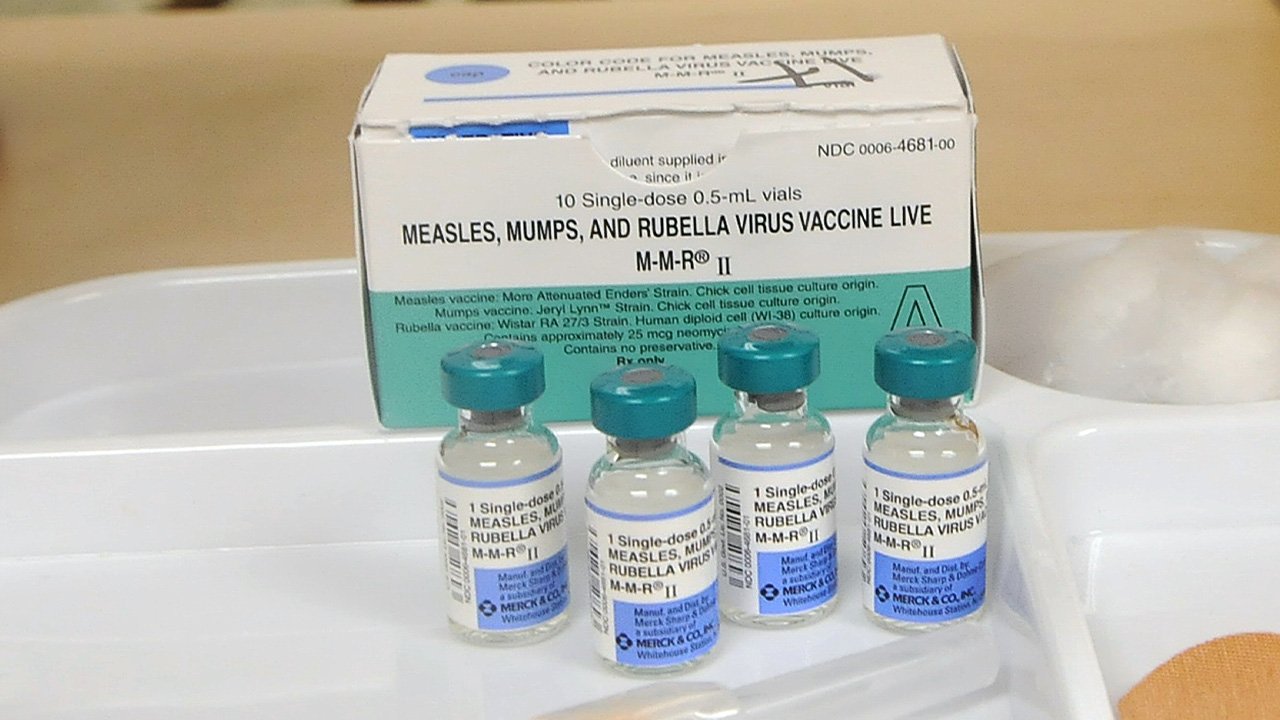
Measles is especially dangerous for children under five, pregnant women, and immunocompromised individuals. Despite widespread availability of the MMR vaccine, some residents remain unvaccinated due to hesitancy rooted in misinformation. Public health officials stress that vaccination is the most effective way to prevent such tragedies and protect vulnerable populations.
The community's response has been a mix of grief, concern, and calls for action. Local clinics report a surge in vaccine inquiries, as parents seek to safeguard their families. Schools and community centers are hosting informational sessions to combat misinformation and encourage vaccination. Faith leaders are also speaking out, emphasizing the importance of protecting families through responsible health choices rooted in love and care.
Many community members see this outbreak as a stark reminder of the importance of strong families and shared responsibility. “We believe in caring for our children and doing everything we can to keep them safe,” said Pastor Mark Reynolds of Edina Community Church. “Vaccination is a gift of love—protecting our loved ones and honoring the gift of life.” Such sentiments highlight the deep-rooted values that underpin our communities—faith, family, and a commitment to the common good.
Health officials also warn that the outbreak could worsen if vaccination rates do not improve. The CDC reports that the MMR vaccine is over 97% effective in preventing measles, yet immunization rates in some areas remain below herd immunity thresholds. Combating misinformation and ensuring equitable access to vaccines remain top priorities for local and state health agencies.
The DHS has launched an aggressive vaccination campaign, including mobile clinics and community outreach, to curb the outbreak. Officials urge residents to check their vaccination status and seek immunization if needed. The Wisconsin Immunization Program provides resources and clinics to help families get vaccinated. Local health departments are also coordinating with schools to ensure children are protected and outbreaks are contained.
Looking ahead, health officials emphasize that sustained efforts are essential to prevent future outbreaks. They are calling on community leaders, faith groups, and families to work together—upholding the American ideal of strong, healthy families rooted in faith and responsibility. As Wisconsin confronts this health crisis, the hope remains that stories like this tragic infant’s will serve as a wake-up call for all to prioritize vaccination and community well-being.
Ultimately, this outbreak underscores the vital importance of authentic faith in community action—faith that leads to tangible steps to protect our children and honor the gift of life. The road to recovery begins with informed choices, unwavering commitment to family health, and a shared resolve to prevent such tragedies from ever happening again.
Wisconsin has historically maintained relatively high vaccination rates, but pockets of vaccine hesitancy have persisted, especially in rural and underserved communities. The current outbreak exposes vulnerabilities in the state's public health infrastructure and highlights the importance of addressing cultural and informational barriers that hinder vaccination efforts.
Local health officials have pointed out that the outbreak is not just a statistical anomaly but a reflection of deeper issues such as access disparities, mistrust in medical institutions, and misinformation circulating through social media. Dr. Lisa Martinez, a pediatric infectious disease specialist based in Madison, explained, “We’re seeing how misinformation can undermine years of public health work. It’s crucial to rebuild trust and provide clear, accessible information to families.”
Community leaders from towns like Edina, where the infant resided, are working to bridge gaps by organizing town hall meetings, distributing educational materials, and partnering with local churches and schools to promote vaccination. These efforts aim to foster a sense of shared responsibility and community resilience.
In interviews with local families, many expressed fears and hopes. Sarah and Tom Jensen, parents of three children in nearby La Crosse, shared their concerns: “We got our kids vaccinated because we believe in protecting our community. This tragedy makes us even more committed to making sure everyone has access to vaccines.”
Meanwhile, some community members remain cautious. Mark, a father of two from a neighboring town, said, “I understand the fears some people have, but I also worry about what could happen if we don’t take action. It’s a tough balance, but I think education is key.”
Public health officials are optimistic but cautious. The immediate priority is to contain the outbreak and prevent further tragedies. The Wisconsin Department of Health Services is expanding its vaccination campaigns, especially targeting areas with low immunization rates.
In addition to vaccination efforts, there is a renewed emphasis on community engagement. Faith groups, local organizations, and schools are being encouraged to participate actively in spreading accurate information and facilitating access to vaccines.
Long-term strategies include strengthening healthcare infrastructure, improving data collection and surveillance, and addressing social determinants that contribute to health disparities. The outbreak has underscored the need for a comprehensive approach that combines medical, educational, and community-based interventions.
As the state moves forward, the hope is that this tragic loss will serve as a catalyst for lasting change—ensuring that no other family endures such heartbreak due to preventable disease. The collective effort of Wisconsin’s communities, health officials, and faith leaders will be crucial in turning this crisis into an opportunity for growth and resilience.
By Marcus Chen
By Katherine Langford
By Marcus Chen

By Marcus Chen